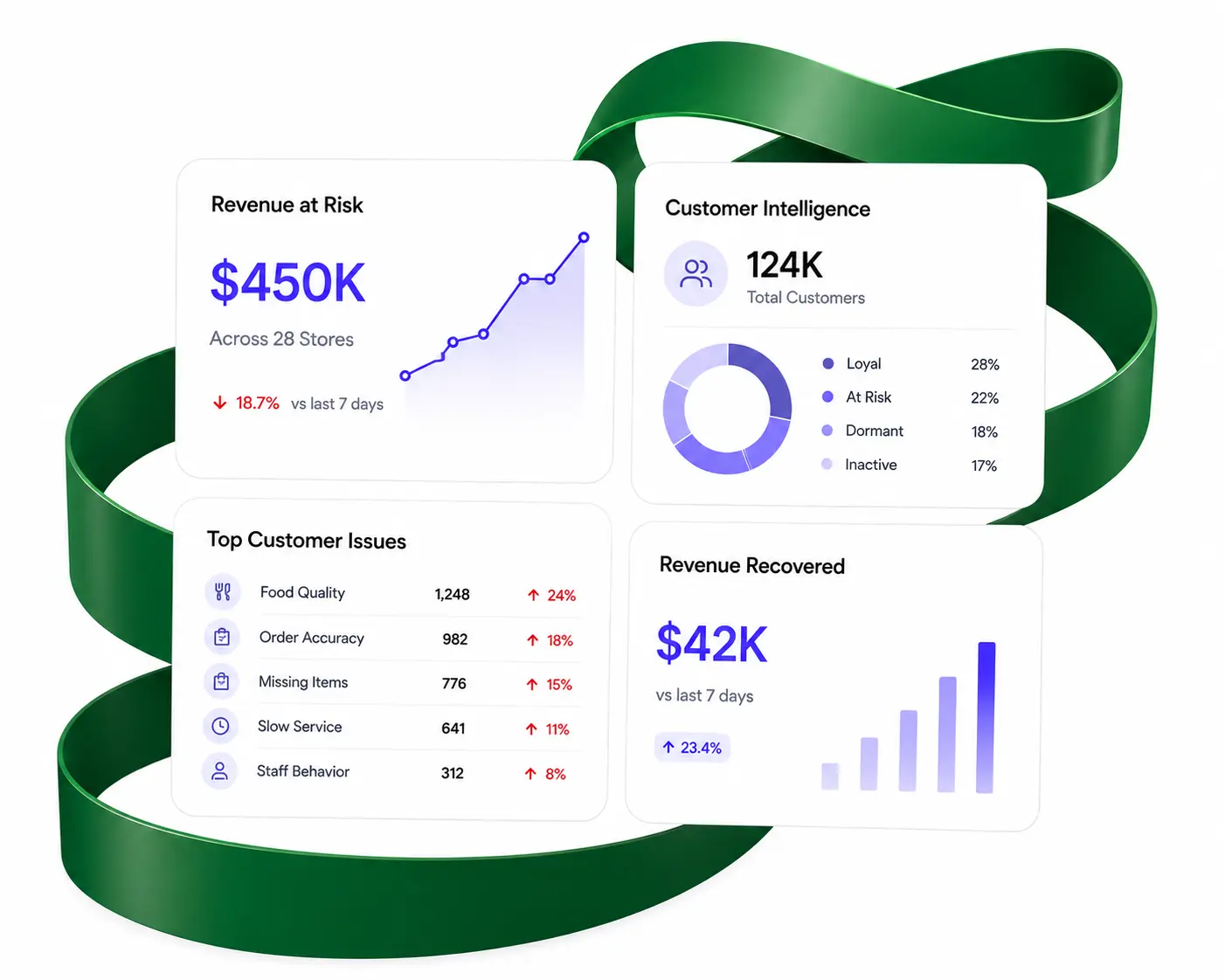
Built for multi-unit QSR networks

Your bottom-quartile stores are quietly leaking revenue.

Underperformance doesn't show up in comp sales until traffic erosion has already started. StoreShield detects execution drift early — connecting customer signals to transaction behavior — and runs structured recovery before underperformance spreads across your network.

storeshield.app · risk review pipeline
Live
Signal captured → 01
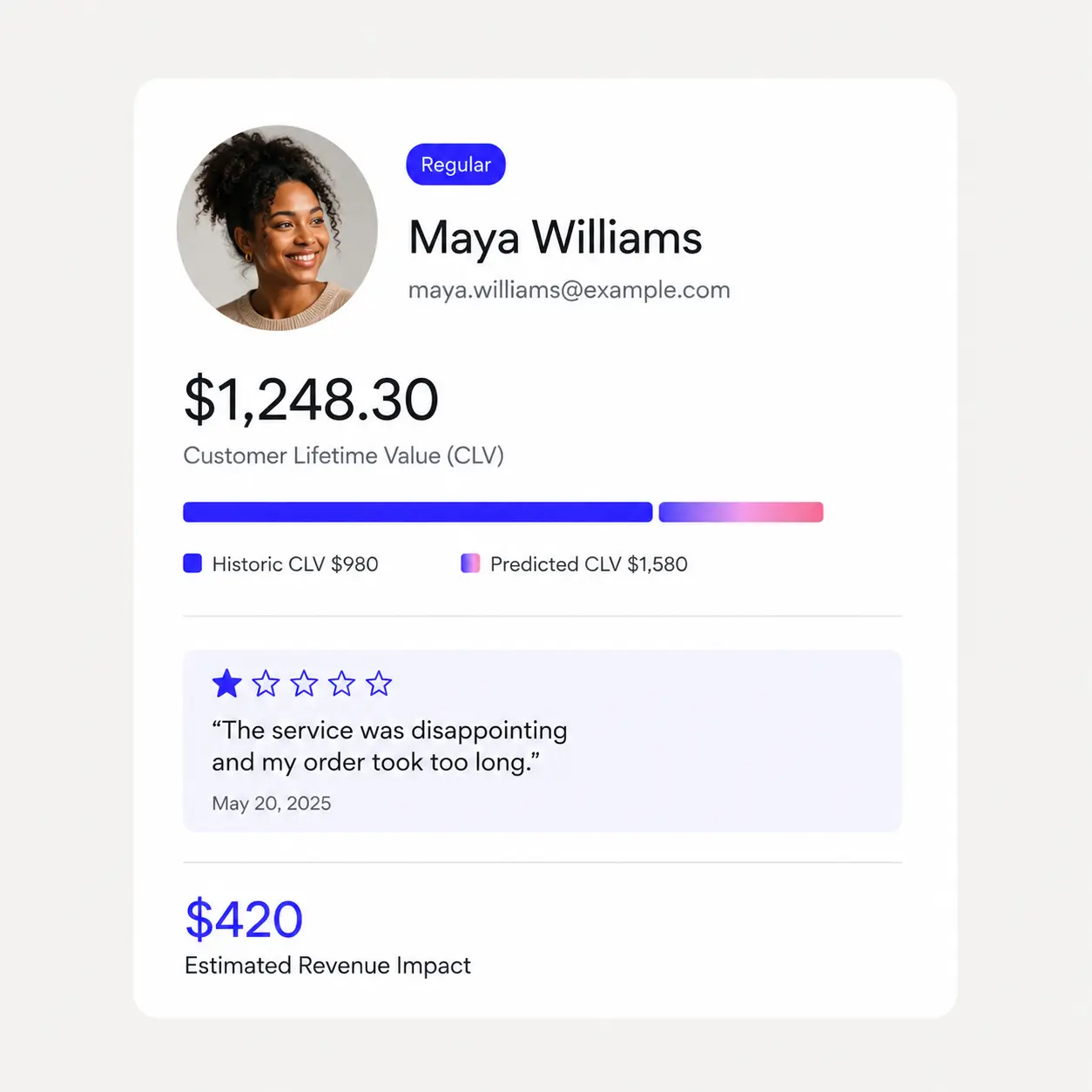
Maya R. ★☆☆☆☆
"Order took 38 minutes, fries were cold, missed the dipping sauce. Third time at this location."
Google · Store #048 Repeat
Anonymous · post-order ★★☆☆☆
"Wait time was way too long, staff seemed overwhelmed."
Feedback · Store #048
Store drift detected → 02
Recovery in motion → 03
Maya R. 2m ago
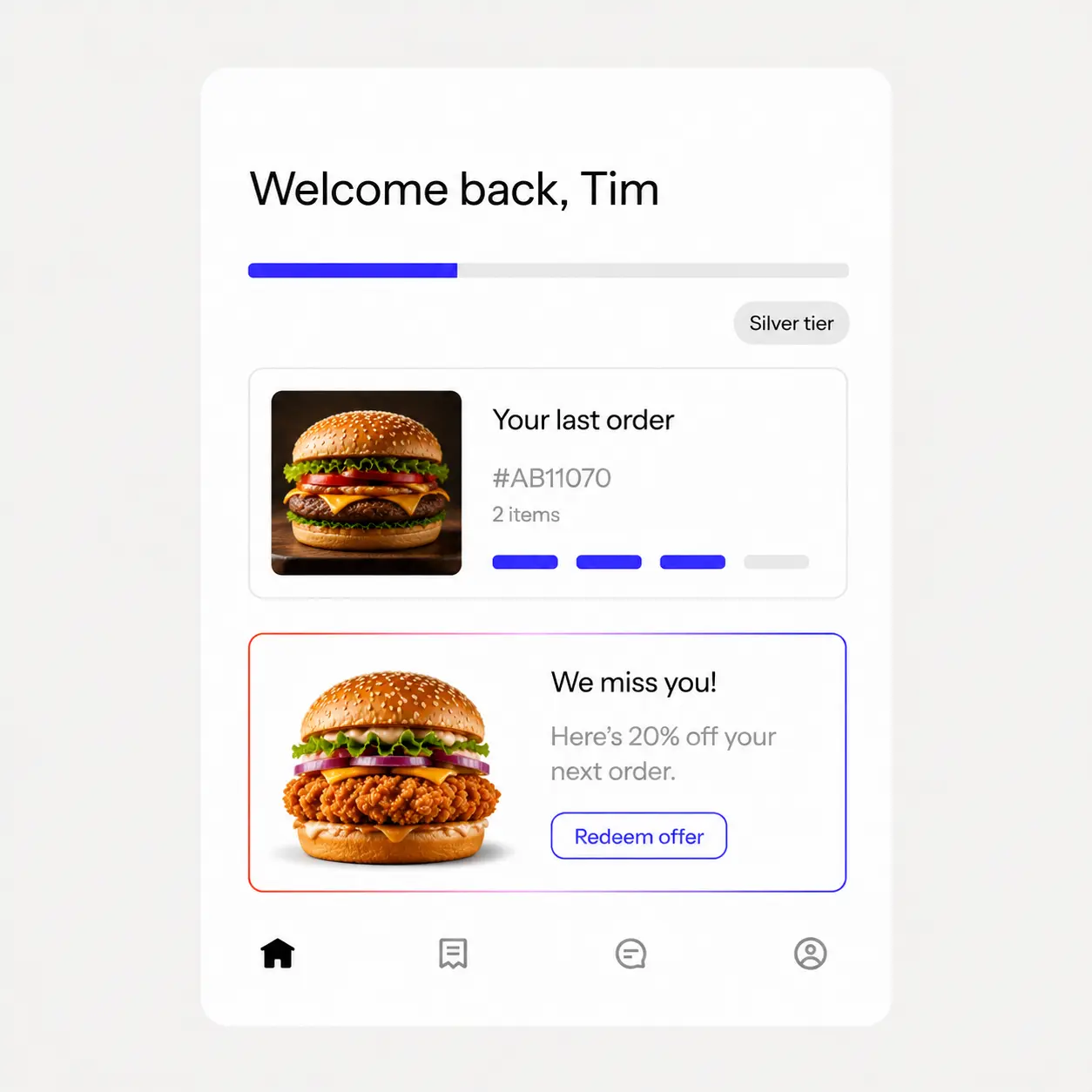
Recovery offer sent
$10 credit · follow-up scheduled in 7 days
Store #048 · GM 14m ago
Speed-of-service audit assigned
Due Friday · linked to 9 complaints this week
Jordan T. 2 days ago
Returned · +$42 ticket
Recovery confirmed · pattern resolved
// Designed alongside multi-unit QSR operators
Franchise networks · Multi-unit operators · Hybrid brands
// The problem

Drift doesn't trigger an alarm. It compounds quietly.

By the time underperformance shows up in monthly P&L or comp sales, traffic erosion has already started. Most operators are looking at the rear-view mirror — visiting stores, reading reviews manually, escalating after damage is done.

The drift-to-margin chain.

It always plays out the same way. Execution instability rises. A few cold orders, a few slow drive-thrus, a few staff turnover gaps. Guests don't complain — they just don't come back.

Repeat-visit probability drops. Weekly transactions erode. Fixed labor and rent stay the same. By the time it's visible in the P&L, you're already 8–12 weeks behind it.

StoreShield exists to catch the chain at week 2 instead of week 12.

Store #048 · Aurora West 12-week erosion
Week 1–2 First cluster of slow-service complaints Invisible
Week 3–4 Repeat-customer return rate drops 4% Invisible
Week 5–6 Rating dips 0.3★ on Google Noticed
Week 7–8 Weekly transactions down 2.1% Noticed
Week 9–12 Comp sales miss flagged Reported
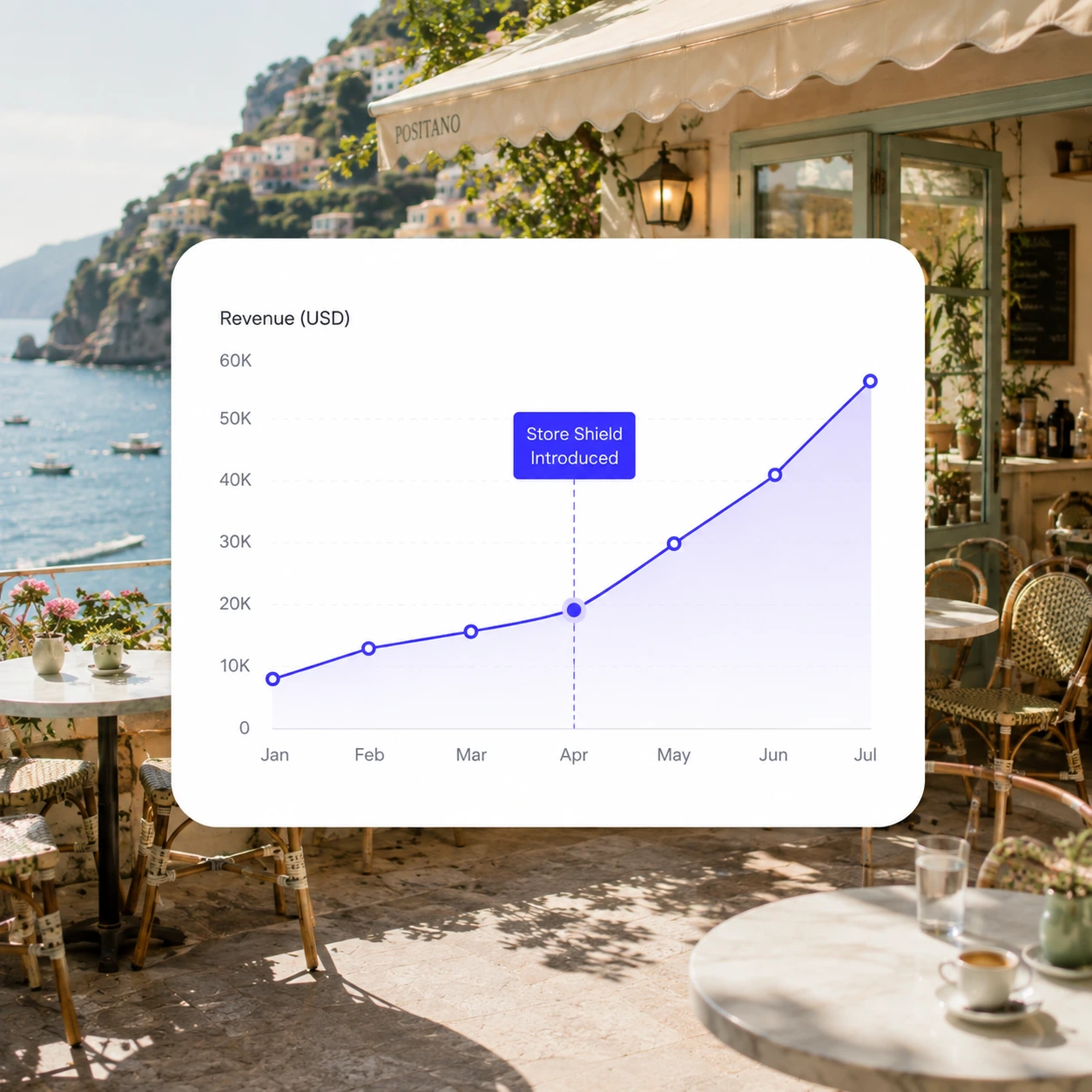
By week 12, the store has lost ~$11K in revenue. By the time the field visit happens, recovery takes another 8 weeks.
// How the system works

From customer signal to stabilized store.

A structured action layer — not another dashboard. Every signal becomes an owned issue, every issue gets a tracked outcome. Click through each stage to see what happens.

// What makes this different

Reviews are the signal.
Transaction behavior is the truth.

Most review tools stop at the response. StoreShield connects each customer complaint to whether they actually came back — closing the gap between sentiment and operational impact.

The questions a rating alone can't answer.

A 1-star review tells you a customer was unhappy. It doesn't tell you what happened next. Did they stop ordering? Did the recovery offer bring them back? Is the issue resolved, or was the complaint just absorbed into the noise?

By linking feedback to transaction history, StoreShield closes the loop on every customer interaction — and gives you a real measurement of recovery effectiveness, not just response rate.

  • Did the customer stop ordering after the complaint?
  • Did the recovery offer actually bring them back?
  • Was the issue resolved, or is it now a repeat pattern?
  • Which stores have falling repeat-visit rates?
Customer profile · #C-2241
M
Maya R.
Visits before: 14 · Avg ticket: $24 · Loyalty member
Mar 02 · Last normal visit
Order placed at Store #048 · $26.40
Mar 09 · Negative experience
1★ Google review — slow service, missing item
Mar 10–28 · Behavior gap
0 orders for 19 days · would normally place 4–5
Mar 28 · Recovery triggered
$10 credit + apology issued by Store GM
Apr 03 · Recovered
Customer returned · $31.80 order · pattern resolved
// What we detect

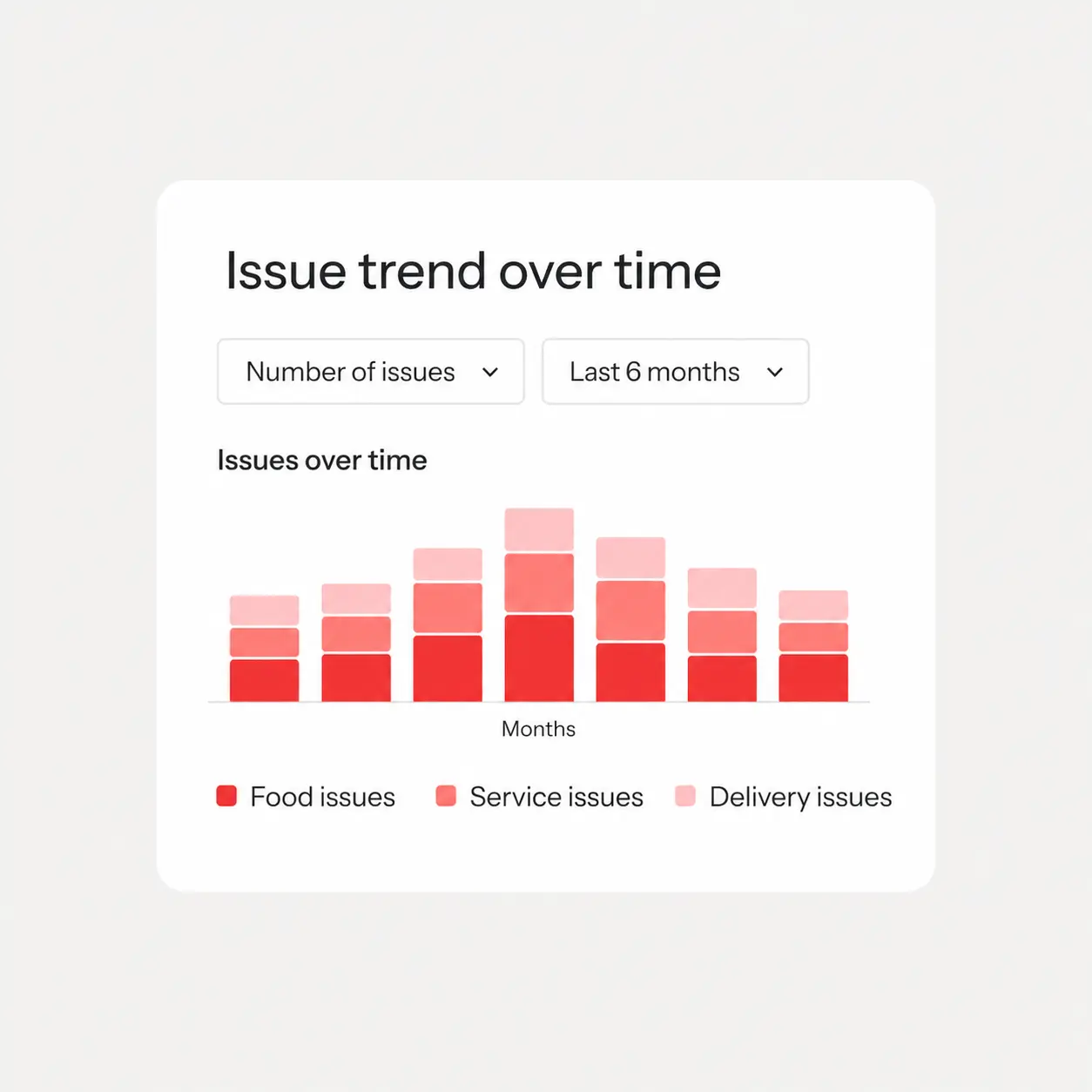
Six recurring patterns that quietly erode traffic.

Instead of reading thousands of reviews manually, you see what's actually repeating, where it's accelerating, and which stores are exposed.

Food quality inconsistency
Cold items, undercooked, stale — variance across shifts and stores.
Slow service
Long wait times, drive-thru delays, drink and food bottlenecks.
Order accuracy
Missing items, wrong modifiers, incorrect substitutions.
Staff behavior
Rudeness, attentiveness gaps, training inconsistency by location.
Cleanliness
Lobby, restroom, drive-thru zone — sustained visible complaints.
Recovery failure
Complaints that go unanswered or unresolved — repeat patterns.
// What's at stake

A 3% traffic erosion at one store is $45,000 a year.

We don't claim to manufacture demand. We prevent preventable demand erosion — the kind that compounds invisibly across your bottom quartile until it's too late to catch cheaply.

$450K
Network exposure across 10 bottom-quartile stores
In a 75-store brand, the bottom quartile alone represents nearly half a million in preventable erosion — and roughly $45K in EBITDA at typical QSR margins.
10 stores × $45K erosion
≈ $45K EBITDA impact / year
// Who this is built for

Operations leaders running networks where variance hurts.

This is an operational problem, not a marketing one. We work best with COOs, VPs of Operations, and Directors of Franchise Performance.

// Strong fit
  • Franchise-heavy or hybrid models
  • Visible performance variance across stores
  • Centralized operations decision-making
// Not the right fit (yet)
  • ×Operators who don't care about per-store revenue health
  • ×Brands focused only on revenue collection, not retention
  • ×Teams that treat reviews as a marketing metric, not an ops signal
  • ×Networks comfortable with quarterly P&L as their early-warning system
// 30-minute working session

See if your bottom-quartile stores are quietly deteriorating.

We'll review your store performance distribution, flag risk signals on your weakest locations, and walk through a stabilization path — using your data, not a generic deck.

Book a Risk Review
Live store performance review Risk signal walkthrough Stabilization opportunities No pressure
Revenue leakage Calculate yours →